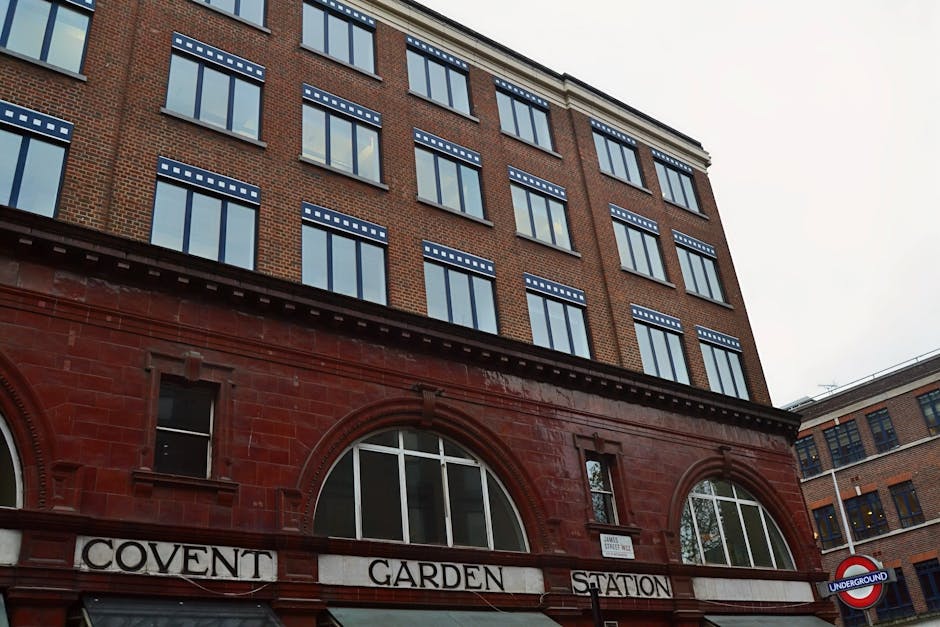
Covent Garden WC2 Central London flat rubbish removal options
If you live in Covent Garden, you already know space is precious. One bulky chair, a broken wardrobe, a few black sacks, and suddenly the flat feels smaller, heavier, and harder to live in. The good news is that Covent Garden WC2 Central London flat rubbish removal options are more flexible than many people realise. Whether you need a quick one-off uplift, a full flat clearance, or help with awkward items that will not fit in a lift, there are sensible ways to get it done without turning the day into a headache.
In this guide, we'll walk through the main options, what works best in a busy WC2 location, how the process usually runs, and what to watch out for. You'll also find practical tips for choosing the right service, avoiding common mistakes, and staying on the right side of disposal rules. No fluff. Just the stuff that helps.
Contents
- Why Covent Garden WC2 Central London flat rubbish removal options Matters
- How Covent Garden WC2 Central London flat rubbish removal options Works
- Key Benefits and Practical Advantages
- Who This Is For and When It Makes Sense
- Step-by-Step Guidance
- Expert Tips for Better Results
- Common Mistakes to Avoid
- Tools, Resources and Recommendations
- Law, Compliance, Standards, or Best Practice
- Options, Methods, or Comparison Table
- Case Study or Real-World Example
- Practical Checklist
- Conclusion
- Frequently Asked Questions
Why Covent Garden WC2 Central London flat rubbish removal options Matters
Covent Garden is not the sort of place where rubbish removal can be left to chance. Flats here often have limited storage, narrow staircases, older buildings, shared access points, and time-sensitive neighbours who quite reasonably do not want a hallway filled with broken furniture until Friday afternoon. That changes the whole game.
Flat rubbish removal matters because clutter tends to build up quietly. A broken bed base stays in the corner. The old sofa gets shifted "for now". Packaging from a refurb sits by the door. Before long, the flat feels chaotic and the exit routes become awkward. In a compact WC2 property, that isn't just untidy; it can become inconvenient, unsafe, and stressful.
It also matters because disposal in Central London needs a bit more thought. You need the right vehicle access, sensible timing, and a reliable route for getting items out of the property and to a proper disposal or reuse destination. That applies whether you are dealing with a few bags or a full flat clearance. If you're moving out, refreshing a rental, or clearing after tenants have gone, the right approach saves time and usually saves money too.
And to be fair, nobody wants to spend a Saturday wrestling a mattress down the stairs while the bin area is already full. Been there, or at least seen enough of it to know it's not fun.
Expert summary: In Covent Garden, the best rubbish removal option is usually the one that balances access, speed, and compliant disposal rather than the one that simply looks cheapest at first glance.
How Covent Garden WC2 Central London flat rubbish removal options Works
Most flat rubbish removal jobs follow a simple pattern, even if the building itself is anything but simple.
1. Identify what needs to go
Start by separating general rubbish from bulky waste and anything special. Cardboard, bagged household junk, damaged furniture, old appliances, and refurb offcuts all behave differently in practice. The more clearly you sort it, the easier it is to quote and remove efficiently.
2. Choose the right removal method
In Covent Garden, the main options usually include man-and-van style collection, scheduled rubbish clearance, single-item disposal, and wider property clearance. If your load includes furniture, it often helps to look at dedicated services such as furniture disposal or sofa removal rather than treating everything as mixed rubbish.
3. Arrange access and timing
This is where WC2 can become interesting. Tight streets, loading restrictions, concierge rules, and resident-only access can affect the job. A good clearance plan takes the access route seriously. That might mean a short booking window, a ground-floor handover, or clear instructions for the collection team.
4. Load, sort, and remove
The team should remove items safely, avoiding damage to walls, bannisters, lifts, and communal areas. They may separate reusable items, recyclable materials, and waste for proper downstream processing. For mixed loads, a broader rubbish removal service is often the most practical fit.
5. Dispose responsibly
Responsible disposal means more than just taking things away. It includes transfer to the right waste stream, documentation where needed, and making sure any waste carrier handling the items is acting properly. That's a key point, and one people often overlook in a rush.
If the job is larger than expected, a more complete waste clearance or rubbish clearance may suit better than trying to split it into several smaller visits.
Key Benefits and Practical Advantages
There are a few clear reasons people in Covent Garden choose a professional flat rubbish removal option instead of trying to manage everything themselves.
- Less disruption: The job is usually completed faster, with fewer trips through communal areas.
- Safer lifting: Heavy items, awkward angles, and narrow stairwells are handled by people used to them.
- Better access planning: The team can work around the realities of WC2, not just ideal conditions.
- Cleaner finish: Proper removal means less lingering dust, broken packaging, or stray bits left behind.
- Compliance peace of mind: You're less likely to worry about where the waste ends up.
- Flexibility: You can usually match the service to the exact amount of rubbish, from a few items to a full flat.
There's also a practical psychological benefit, which sounds a bit grand but is real: once the waste is gone, the flat feels manageable again. You can reset the room, plan a move, or simply breathe. That's often the moment people say, "Right, now I can deal with the rest."
Who This Is For and When It Makes Sense
This kind of service is useful for a wide range of people, not just tenants at the end of a lease. In Covent Garden, it often makes sense for:
- flat owners clearing out before sale or letting
- tenants leaving a property in tidy condition
- landlords handling post-tenancy rubbish
- short-let hosts between bookings or refurb cycles
- people replacing furniture or white goods
- residents dealing with years of accumulated clutter
- small refurb jobs that generate more waste than expected
If you're dealing with a broader property clean-up rather than just a pile of rubbish, a home clearance or house clearance style service can be more suitable. For business premises or mixed-use buildings near the West End edge of WC2, office clearance or business waste options may be the better fit.
A small example: a one-bedroom flat above a retail unit might only need three bulky items removed, but if those items are blocking access and the tenant is moving the next day, that suddenly becomes urgent. In that moment, speed matters just as much as volume.
Step-by-Step Guidance
If you want to keep the process smooth, follow this order. It sounds basic, but it saves a lot of back-and-forth.
- Walk through the flat: Make a quick list of what needs removing. Include anything in cupboards, on balconies, or in storage corners.
- Separate key categories: Put furniture, bagged waste, appliances, and reusable items into rough groups. Don't overcomplicate it.
- Check access: Note stairs, lift size, entry codes, parking restrictions, and whether the building has concierge rules.
- Take a few photos: This helps with accurate quoting, especially for mixed loads or bulky items.
- Choose the service type: Decide whether you need a one-off collection, bulky item removal, or a fuller clearance.
- Confirm timing: Pick a slot that works with neighbours, building access, and any move-out deadline.
- Prepare the items: Move rubbish to one area if safe to do so, but do not block exits or communal routes.
- Ask about disposal handling: A reliable provider should be able to explain, in plain English, how the waste will be managed.
If you are disposing of a sofa, bed frame, wardrobe, or similar piece, separate service pages like furniture disposal or sofa removal can help clarify the approach. That's especially useful when one item is simple but the rest of the flat is cluttered.
One more thing: if the job is moving from "a few items" to "actually, quite a lot", it is better to admit that early. Everyone saves time that way. Really, everyone.
Expert Tips for Better Results
Here's where small decisions make a big difference.
Book with access in mind, not just volume
In Covent Garden, the real challenge is often access, not the amount of waste itself. A modest load can take ages if parking is awkward or the lift is too small for furniture. Tell the provider exactly what they'll face.
Keep reusable items separate
If an item is still usable, say so. It may affect how the job is handled. At the very least, it helps avoid sending decent items down the wrong disposal route.
Use photos that show scale
A single close-up can be misleading. Include a wider shot and one picture that shows the room or hallway. This is especially helpful for a small flat where every box seems to multiply overnight.
Think about noise and neighbours
In older buildings, sound travels. Early morning dragging and repeated trips through shared hallways can create friction. A coordinated uplift is kinder to everyone.
Plan around move dates
If you're vacating a property, don't leave rubbish removal until the final hour. Leaves you with too much pressure. And in London, pressure plus traffic plus narrow access is never a cheerful mix.
When the job is part of a wider clean-up, a service such as flat clearance can be more efficient than trying to piece together multiple smaller removals. It's often the calmer option, truth be told.
Common Mistakes to Avoid
These are the traps people fall into most often. None of them are dramatic, but they can turn a tidy plan into a messy one.
- Underestimating access problems: A tight stairwell can matter more than the number of bags.
- Leaving everything until the last day: That's how small tasks become expensive emergencies.
- Mixing general rubbish with special items: A clear list is always better than a vague "miscellaneous pile".
- Forgetting building rules: Some flats have strict collection windows or concierge instructions.
- Choosing only on price: The cheapest option is not always the best once access, loading, and disposal are considered.
- Not checking what's excluded: Certain items may need separate handling or advance notice.
A common one in Covent Garden is assuming a provider can park right outside. Sometimes yes, sometimes absolutely not. You do not want to discover that at the kerb.
Tools, Resources and Recommendations
You do not need a complicated toolkit for most flat rubbish removal jobs, but a few simple things make life easier:
- strong bin bags or rubble sacks for bagged rubbish
- tape and labels if items are being separated
- a torch for checking lofts, cupboards, or under-bed storage
- basic gloves if you are moving anything yourself
- a phone camera for documenting the load and access points
- measuring tape for oversized furniture or awkward doorways
If you are not sure whether something counts as bulky furniture, mixed waste, or a special disposal job, the safest move is to ask before collection day. The website's broader service pages, including rubbish collection, waste collection, and waste disposal, give a useful sense of how different types of loads can be handled.
If you are working across nearby Central London areas, it can also help to compare how access differs between streets and neighbourhoods. A job in Covent Garden is rarely the same as one in Holborn, Strand, or Central London more generally. Same postcode family, different logistics.
Law, Compliance, Standards, or Best Practice
Waste removal in the UK comes with a responsibility to dispose of items properly. You do not need to become a legal expert, but you should expect any waste carrier or clearance provider to handle rubbish in a lawful and responsible way. That means using proper disposal routes, not fly-tipping, and not leaving you guessing about where things have gone.
Best practice also means being careful with items that may contain hazardous components, sharp edges, or contamination. If a load includes anything unusual, mention it early. A mattress, paint tins, electrical items, or refurbishment debris may require different handling from normal household rubbish.
From a homeowner or tenant perspective, the practical rule is simple: don't hand over waste to someone you wouldn't trust to explain what happens next. You want a clear process, sensible communication, and a proper finish. That's the standard that matters in real life.
For jobs with building debris, plaster, or renovation leftovers, the more specific builders waste route may be more appropriate than general rubbish removal. Using the right service usually improves both handling and disposal accuracy.
Options, Methods, or Comparison Table
Here's a simple comparison of the most common Covent Garden flat rubbish removal options.
| Option | Best for | Strengths | Watch-outs |
|---|---|---|---|
| Bagged rubbish collection | Small to medium household waste | Quick, simple, easy to arrange | Not ideal for heavy furniture or mixed bulky loads |
| Bulky item removal | Sofas, beds, wardrobes, appliances | Good for awkward items and single-piece removals | Access and size need to be confirmed carefully |
| Flat clearance | End of tenancy, moving out, full clear-outs | Covers more of the property in one visit | May be more than you need for a very small load |
| Mixed rubbish removal | General junk, mixed household items, clutter | Flexible and practical for uncertain loads | Sorting can affect price and timing |
| Specialised waste removal | Refurb, business waste, furniture-only jobs | Better fit for specific item types | Needs correct description from the start |
If you're weighing the options, think about the load first and the convenience second. That's the simplest rule, and usually the right one.
Case Study or Real-World Example
Here's a realistic Covent Garden scenario. A one-bedroom flat near the edge of WC2 is being cleared after a tenant move-out. The flat contains a broken desk, a worn sofa, four black bags of mixed waste, a disassembled bed frame, and a few boxes of old paperwork and packaging. Nothing dramatic. Just enough to feel annoying.
The owner could try to tackle it in stages, but the building has a narrow stairwell and a small lift, so repeated trips would be slow and awkward. Instead, the sensible approach is to group the items, take photos, and book a service that can handle both the furniture and the mixed rubbish in one visit. If the sofa is particularly awkward, sofa removal can cover that piece neatly, while the rest goes through a broader rubbish removal or flat clearance arrangement.
The result is usually simpler than people expect: less time on the phone, less lifting, fewer trips through the building, and a clear final space. You know that quiet feeling when a room goes from cluttered to usable again? That. That's the point.
Practical Checklist
Use this before booking or on the morning of collection.
- List all items that need removing
- Separate furniture, rubbish, and anything unusual
- Check lift size, stairs, and doorway widths
- Note any parking or access restrictions
- Take clear photos of the load and access route
- Confirm whether the job is a small collection or full clearance
- Move items to one safe area if practical
- Keep hallways and fire exits clear
- Ask how mixed waste and bulky items will be handled
- Make sure someone is available for access if needed
If your list keeps growing while you read it, that's usually a sign that a more complete clearance service is the better fit. Happens all the time.
Conclusion
Covent Garden flat rubbish removal does not need to be complicated, but it does need to be thought through. The best options are the ones that fit the property, the load, and the realities of WC2 access. For some people, that means a quick bag collection. For others, it means sofa removal, bulky item disposal, or a full flat clearance. The right choice is the one that removes hassle, keeps things compliant, and gets your space back without drama.
Plan the access, sort the items, ask sensible questions, and don't leave it until the last minute. That simple approach solves more problems than people expect. And once the clutter is gone, Covent Garden feels like itself again - compact, busy, and a lot easier to live with.
Get a free quote today and see how much you can save.
Frequently Asked Questions
What are the main Covent Garden WC2 Central London flat rubbish removal options?
The main options are bagged rubbish collection, bulky item removal, mixed rubbish removal, and full flat clearance. The best choice depends on how much you need removed and how easy the property is to access.
Is flat rubbish removal in Covent Garden suitable for one or two items?
Yes. A lot of jobs are small, like one sofa, a wardrobe, or a few bags. In that case, a focused service is usually more practical than booking a larger clearance.
Do I need to sort everything before collection?
Not perfectly, but a bit of sorting helps. Separate furniture from general rubbish, and flag anything unusual. That makes quoting and removal much smoother.
What if my flat is on an upper floor with no lift?
That is very common in Central London. It just means access needs to be planned carefully. Tell the provider about stairs, tight turns, and any awkward corners before the job is booked.
Can rubbish removal cover furniture as well as bags of waste?
Usually yes, but it depends on the load. Furniture is often better handled through a dedicated furniture disposal or sofa removal service, especially if the item is bulky.
How do I know whether I need flat clearance or rubbish removal?
If you are dealing with a few items, rubbish removal may be enough. If you are clearing multiple rooms, emptying storage, or preparing a property for sale or letting, flat clearance is often the better fit.
What should I do with electrical items or mixed waste?
Let the removal team know in advance. Electrical items and mixed loads can require different handling from plain household rubbish, so it's better to mention them early.
Is same-day flat rubbish removal available in Covent Garden?
It can be, depending on availability and access. Same-day work is more likely when the load is clearly described and the property is easy to reach.
How can I prepare a small Covent Garden flat for rubbish removal?
Keep the items together in one area, check access routes, and remove anything personal or valuable first. If possible, leave enough space for safe lifting and movement.
What are common mistakes people make with flat rubbish removal?
The biggest mistakes are leaving it too late, forgetting about access problems, and not being clear about what needs removing. A vague description often leads to avoidable delays.
Can a clearance service help with end-of-tenancy rubbish?
Yes, that's one of the most common reasons people book. It helps landlords, tenants, and agents get the flat back into a clean, usable condition quickly.
Are builders' leftovers treated differently from household rubbish?
Often, yes. Renovation debris, plasterboard, and similar materials may be better handled as builders waste rather than general rubbish, so it's worth specifying that upfront.
What is the best way to choose a provider for WC2 flat waste removal?
Choose the provider that understands access, gives a clear explanation of the process, and matches the service to your actual load. In Covent Garden, practicality matters more than fancy wording.